Epic Means You Should've Peed at the Trailer: A Bladder's-Eye History of Runtime Inflation
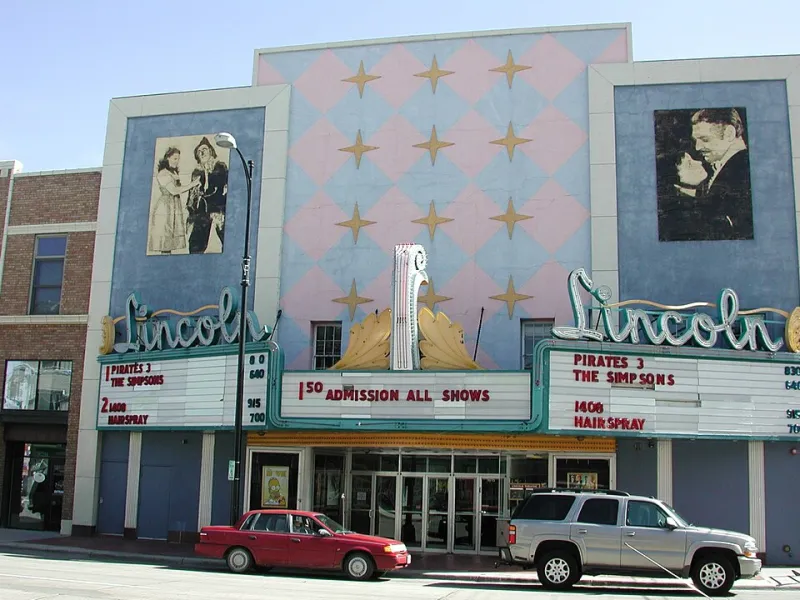
Photo: Famartin, CC BY-SA 4.0, via Wikimedia Commons
There is a moment in every modern blockbuster — usually around the 118-minute mark, right when you've settled in, right when the popcorn bag has become a crouton graveyard — when a small voice in your body asks a simple question: how long is left?
The movie does not answer. The movie has 47 more minutes and a second climax to get through.
Welcome to the runtime inflation crisis, the quiet epidemic nobody's treating because everybody's too busy sitting through it.
When Did 'Epic' Become a Threat?
Once upon a time, movies were a reasonable length because physical film was expensive and projectionists had places to be. Casablanca ran 102 minutes. Some Like It Hot — a comedy with cross-dressing, gangsters, and at least three genuine plot twists — clocked in at a breezy two hours. Nobody walked out of 1959 muttering, "sure, but it could've been a miniseries."
Then directors discovered that 'sprawling' sounded like a compliment in press junkets, and studios discovered that a three-hour movie justifies a premium ticket price the way a nine-dollar hot dog justifies itself: aggressively, and without shame.
The math is simple and cynical. If Oppenheimer can run three hours and make a billion dollars, then surely your movie about a raccoon with feelings can too. Runtime became a status symbol. Ninety-four minutes now reads as an apology — "sorry, we respected your time" — while two hours and forty-one minutes signals importance. Never mind that the last 40 minutes are mostly slow-motion walking and characters staring at horizons.
The 94-minute comedy, meanwhile, is now an act of mercy on par with a doctor who says "you can keep your shirt on."
The Telltale Signs Your Movie Is Overstaying Its Welcome
As a public service, Cinephobe presents the diagnostic checklist. If you notice three or more of the following symptoms, your film has entered the victory-lap phase, and your bladder has entered negotiations:
The Fake-Out Ending. The music swells, the story resolves, the screen almost fades — and then, psych! One more scene. Then another. Modern blockbusters now have more false endings than a Boston sports radio call-in show. These are not coda scenes. These are the movie refusing to admit the party's over, standing in your doorway at 2 a.m. asking if you've ever really listened to the lyrics of "American Pie."
The Victory-Lap Montage. Every major character gets a slow-motion shot of them smiling, walking, or gazing meaningfully at a child. Someone's hand touches someone else's shoulder. A drone shot pulls back over a city. This is not storytelling. This is the movie showing you its vacation photos.
The Villain Gets a Second Wind. The bad guy was definitively defeated 22 minutes ago. He is now back, somehow, weaker but talker. He has monologue energy. You have energy-drain energy.
The Exposition Sleepover. Two characters sit down and explain the plot to each other — a plot you have been watching, live, with your own eyes. This scene exists because a test audience in Burbank was confused, and now everyone in America must pay.
The Post-Credits Promise. The actual story ended. The credits are rolling. But you're pinned to your seat because you've been conditioned since 2008 to wait for the scene that exists purely to sell you the next one. You are not watching a movie anymore. You are attending a shareholder meeting.
The Bladder Is the Last Honest Critic
Here at Cinephobe, we've long argued that the human body is a better film critic than most aggregators. Rotten Tomatoes can be lobbied. Letterboxd can be performed. But your bladder does not care about the director's previous film or the 15-minute standing ovation at Venice. Your bladder has one metric, and it is ruthless.
By this measure, the great films of history sort themselves cleanly. Toy Story? Watchable in one sitting, no planning required. The Irishman? A beautiful film that requires the hydration strategy of a desert marathon runner.
There is, of course, a counterargument: some long movies earn it. The Godfather doesn't feel long because every scene is doing something. Lawrence of Arabia has an intermission, which is not a flaw but a courtesy — a studio looking directly at your bladder and saying, "we know. Go. We'll wait." When was the last time a modern release showed you that kind of respect? Intermissions didn't disappear because audiences got stronger. They disappeared because studios got greedy.
A Recovery Plan for the Chronically Seated
If you've been victimized by runtime inflation, we recommend the following rehabilitation protocol:
- Check the runtime before you go. This is not cheating. This is reconnaissance. If it's over 150 minutes, hydrate strategically — small sips, like a fighter cutting weight.
- Take the bathroom break without guilt. If the movie loses you for four minutes, the movie was not doing its job. Consider it a stress test the film failed.
- Normalize the walkout. Nothing will change until audiences start treating a 175-minute movie about a toy's feelings with the suspicion it deserves.
Until then, we'll be in row twelve, doing the math on how many minutes of trailers we can sit through before the soda becomes a liability. The answer, historically, is all of them. The trailers are always the safest part.