The Projector in the Closet and Other Casualties of Our Home Cinema Era
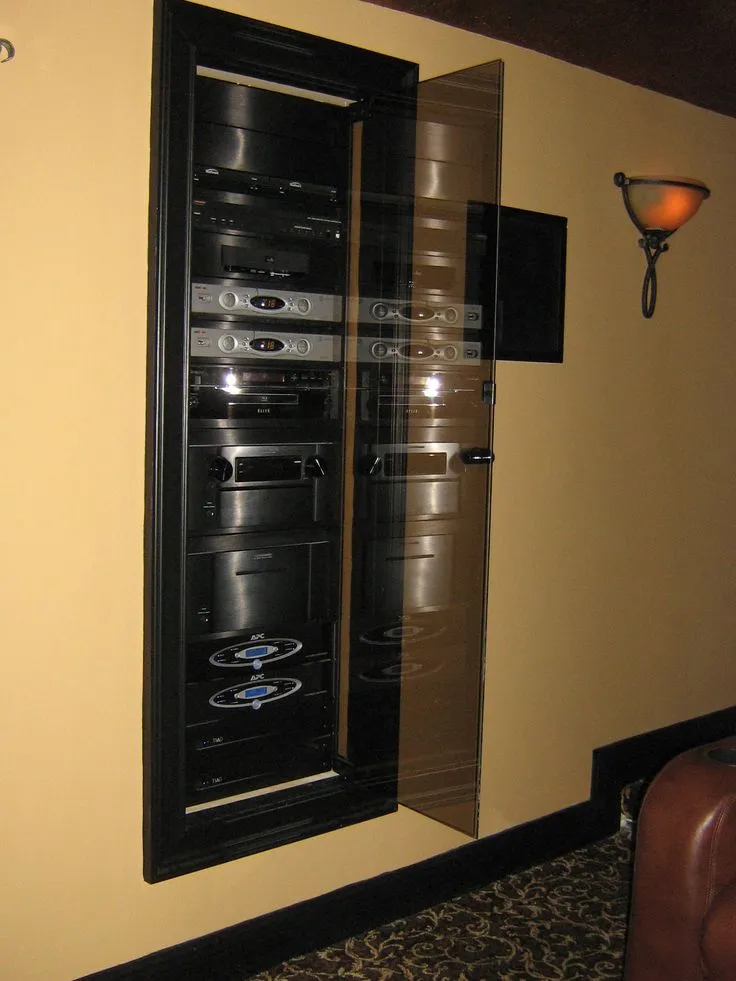
Photo: dusty projector home theater equipment closet, via i.pinimg.com
Let us bow our heads for the home theater. Born in the anxious spring of 2020, died of natural causes approximately eleven months later, survived by a soundbar nobody calibrated and a sourdough starter that is now technically a biohazard.
We need to be honest about what happened here, because the internet is still full of lies. There are still YouTube videos — posted recently, by people with ring lights — about 'elevating your home viewing experience.' They feature a man in a linen shirt arranging a charcuterie board next to a projector the size of a microwave. Nobody has ever lived like this. That video was shot once and immediately abandoned, like the projector itself.
The Great Curation Era Lasted About Six Weeks
For a brief, feverish window, we all believed we were becoming people. People with letterboxed prints. People who owned a cocktail shaker and knew what a 'cinema-inspired pairing' was. People who said things like 'tonight we're doing a Kurosawa double feature' out loud, in their own living rooms, to a partner who was just trying to watch 'The Bachelor.'
The plan was beautiful. Blackout curtains. A pull-down screen. Popcorn kernels bought in bulk from a store that, we learned, also sells fifty-pound bags of flour. A viewing journal. A viewing journal. We were going to log films. We were going to have opinions, arranged chronologically, in a notebook with a ribbon bookmark.
What actually happened: we watched forty hours of reality television in sweatpants and used the projector exactly four times, one of which was to display a slide show for a birthday party. The screen is currently leaning against a wall in a guest room, holding up nothing, inspiring no one.
The Economics of Pretending, A Brief Audit
Let's do the math nobody wants to do. The projector: $700. The screen: $180. The blackout curtains: $60. The 'acoustic panels' that made the living room look like a recording studio for a podcast that never launched: $240. The bulk popcorn kernels, half of which are still in the pantry next to the expired quinoa: $15.
Total invested: roughly $1,200. Total films watched 'properly': four. That's $300 per movie, which is a number we could have spent on roughly sixty theater tickets, including nachos, including the large Coke, including the thing where you pay extra for butter that is legally not butter.
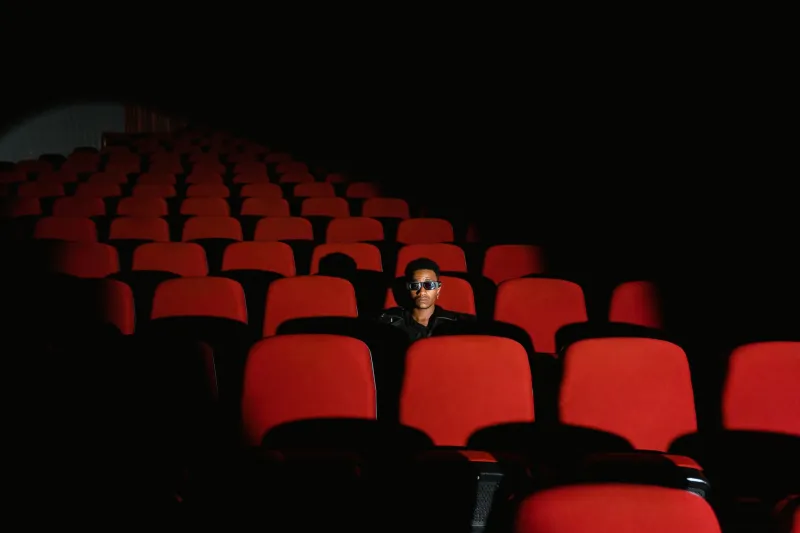
And here's the part that stings: the nachos were fine. The theater was fine. The whole time we were building a shrine to home viewing, some part of us knew the truth — that half the joy of a movie is leaving the house, sitting in the dark with strangers, and eating food that is objectively bad in a way that feels earned.
The Sourdough Starter Was a Metaphor All Along
The home cinema movement, like the starter, the bread machine, and the guitar in the corner, was never really about movies. It was about the fantasy of becoming a person who does things deliberately. A curator. A person with a system.
But watching a movie at home was never going to be an event, because the couch has a gravitational field and the fridge is twenty feet away and the pause button exists. The pause button is the whole problem. A movie you can pause is a movie you will never finish in one sitting, and a movie you finish in three installments is just television with better lighting.
So rest in peace, home cinema. Rest in peace, the themed cocktail recipes saved and never made. Rest in peace, the 'movie night spreadsheet.' You were a beautiful lie we told ourselves during a strange year, and your hardware is now on Facebook Marketplace at sixty percent off, listed as 'used once, perfect condition.'
We'll be at the theater. The nachos are calling.