Inspired by a Guy Who Once Sneezed Near This Story: The Truthiness Tier List
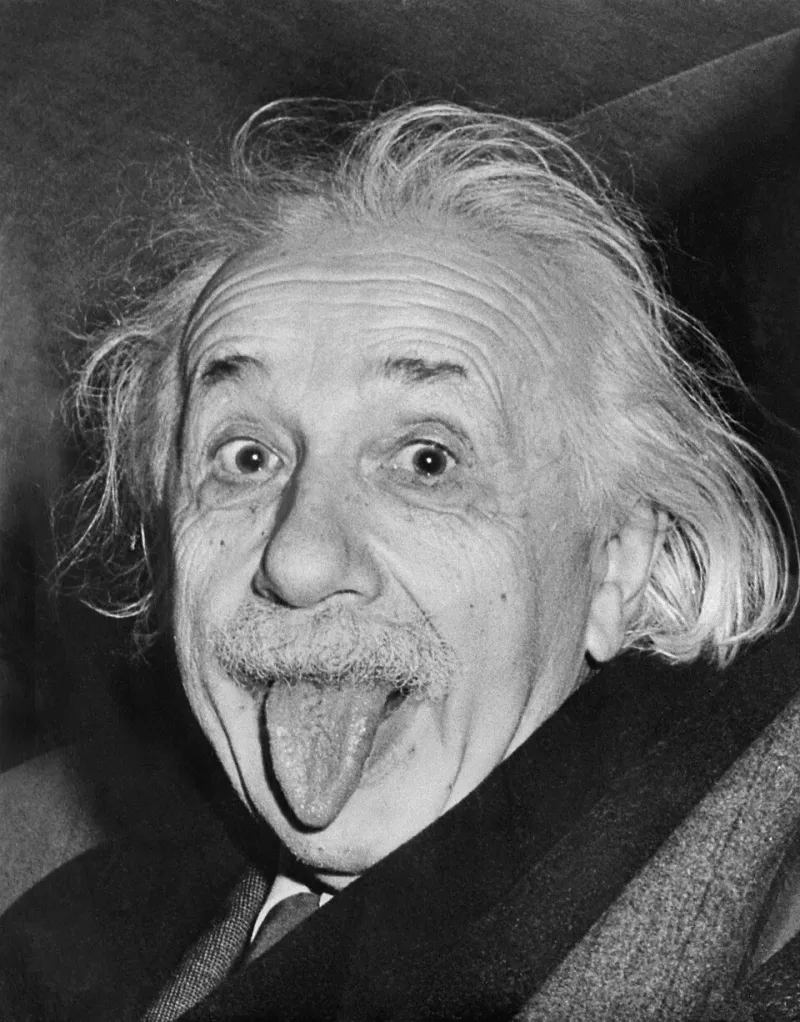
Photo: International News Service, Public domain, via Wikimedia Commons
The words "based on a true story" have legally protected roughly as much truth as the words "may contain peanuts" have guaranteed them. Studios have discovered something beautiful: put those five words on a poster and audiences will forgive absolutely anything — invented characters, invented endings, invented weather. The truth is not in the movie. The truth is in the marketing.
Cinephobe presents the definitive tier list of Hollywood's honesty, from people who tried to the people who did not try at all.
Tier One: This Actually Happened, Mostly
The rarest tier. Historical figures existed, the broad strokes of events occurred, and the biggest liberty taken was compressing a timeline or giving someone a slightly better haircut. These films are so faithful that historians write think-pieces about the three things they got wrong, which is the highest compliment cinema can receive.
Think of the war dramas where the ending credits show photographs of the real people next to the actors, and the resemblance is genuinely unsettling. That's Tier One. Enjoy it. It happens twice a decade.
Tier Two: Inspired by Actual Events (A Guy Was Once In This Zip Code)
The workhorse tier of the prestige drama. "Inspired by" means a real event occurred, someone heard about it, and then a screenwriter kept the general vibe and replaced every person, motive, and line of dialogue with something more emotionally efficient. The real story was sad. The movie version is devastating, because the movie version was engineered to be.
The real protagonist had three supportive phone calls with his sister. The movie protagonist has one rain-soaked screaming match in a parking lot, because rain-soaked screaming matches test well with focus groups in Ohio.
Tier Three: Based On (Two Names Retained, Everything Else Invented)
"Based on" is the legal equivalent of a shrug. It means: these people existed, and something vaguely like this may have happened to them, in the sense that they had a job and the movie gave them a job. The names are real. The names are load-bearing. Everything behind the names is a studio soundstage.
The greatest hits of this tier always end with the real person giving an interview saying, "That's not how any of that happened, but the actor was very nice." The actor won an Oscar. The real person got a consulting fee and a screening in a hotel ballroom.
Tier Four: The True Story of Events That Have Not Happened Yet
A bold new frontier: films based on true stories about things that are still occurring, released while the truth is still in progress, so the movie is technically fan fiction about the news. The facts may resolve differently by the time the film is on streaming. Nobody will care. The poster already said "true story," and posters cannot perjure themselves.
Tier Five: Come On, Man
The bottom of the barrel, reserved for films that claim true events and then include a car chase. The real event was a dispute over a will. The movie includes a helicopter. The real people involved lived quiet lives in suburban Illinois; the movie version of them has been to prison in three countries and knows how to hotwire a boat.
And then there's the crown jewel of the genre: the disclaimer. "This film is a work of fiction. Any resemblance to actual persons or events is coincidental." Beautiful. Perfect. The film is about those actual persons, by name, and yet legally speaking, it is nobody. Hollywood lawyers deserve their own awards ceremony. A real one. Based on a true ceremony.
The Honesty Award Nobody Wants
Our favorite disclaimer of all time remains the film that opened with text stating it was based on true events, and then, at the end, added: "Some events have been misrepresented." Not changed. Not dramatized. Misrepresented. Somewhere, a lawyer earned their entire tuition writing that sentence, and somewhere, a screenwriter ate lunch, and that lunch is now canon.