Two Stars, One Sentence, Instant Clout: How Disliking Movies Became a Full-Time Job

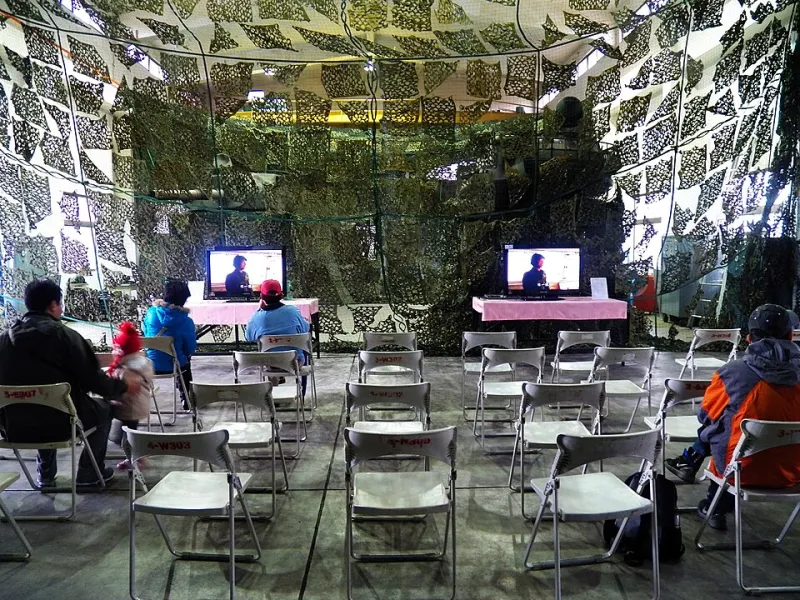
Photo: Japanexperterna.se, CC BY-SA 2.0, via Wikimedia Commons
Type the name of any movie released in the last decade into Letterboxd. Go ahead. Sorted by top reviews, you will find a paragraph of devastating wit, probably formatted as a fake text message exchange or a single sentence like "this movie is what happens when a Red Bull drinks another Red Bull," with twelve thousand likes. Below it, buried, is someone who just wrote "really loved this : )" with three likes. One of them is their mom.
Welcome to the Two-Star Review Industrial Complex, where disliking a film is not an opinion — it's a portfolio.
The Economics of the Takedown
Here's the brutal math. A positive review has a ceiling. "I enjoyed it" is a complete thought, and complete thoughts don't go viral. A negative review, however, is an opportunity. It demands structure. It wants a punchline. It begs to be delivered with the weary tone of a war correspondent who has seen too much.
The algorithm figured this out before we did. TikTok's film corner doesn't reward "this was sweet and I cried." It rewards "this movie had a $200 million budget and the emotional depth of a wet napkin, and I watched all 142 minutes of it, and here's why that's everyone's fault but mine." The second one has a hook. The second one has a brand.
And so an entire generation of viewers now walks into a theater with a notepad instead of popcorn. They're not watching the movie. They're drafting it.
The Competitive Disdain Olympics
What started as snark has calcified into a hierarchy of hating. There's the casual disliker, who simply didn't enjoy something. Below them in the pecking order is the disappointed disliker, who expected better and wants the director to know it personally. Above them all sits the true elite: the person who disliked the movie before it came out, based on the trailer, and has been posting receipts ever since.
The rarest specimen is the reverse contrarian — the person who hated a beloved classic and frames it as a public service. "I finally watched Casablanca and I have notes." You do not have notes. You have a need. And honestly, we respect the hustle, because we at Cinephobe have built an entire website on that exact business model.
The Genuine Enjoyment Problem
Here's where it gets uncomfortable. Ask yourself the last time you posted about a movie you truly, unironically loved. Now ask yourself the last time you posted a takedown. If the second answer came faster, congratulations: the Complex has you.
Enthusiasm online feels naive. It has no armor. Say you loved something sincerely and you've handed a stranger the keys to your softness. Say you hated something cleverly and you're bulletproof — you were never invested, you were only observing. Disdain is a trench coat you wear over caring, and everyone can see the caring underneath, which is why the coat stays on.
A Modest Proposal
We are not above this. We are the poster child. Cinephobe was founded on the premise that movies are overrated, and we will not be apologizing for it in this economy.
But consider the radical act of liking something out loud. Post the three-star review with a heart emoji. Tell your group chat the movie was good without a caveat, a "but," or a ranking of its flaws. The Complex wants you to believe that enjoying something honestly is embarrassing. It's not. It's just unprofitable.
Two stars, one sentence, instant clout. Meanwhile, the movie was fine. You know it was fine. The algorithm doesn't have to know.